Understanding Menopause
Menopause is defined as the end of a woman's menstrual cycles, typically occurring between the ages of 45 and 55, the average age for menopause (when periods have stopped for a year) is 51, perimenopause can begin as early as late thirties and you are in post menopause for the rest of your life. During the menopausal stages hormonal fluctuations occur which can lead to symptoms such as hot flushes, weight gain, mood swings, depression, changes in bone density, brain fog, sleep issues, dry eyes, itchy skin, bladder weakness, sore joints, brittle nails, low libido, heart palpitations, anxiety, muscle wastage, frozen shoulder, tinnitus, prolapse, poor word recall etc, etc, etc. At this time a woman's risk for heart disease, stroke and heart attack increase, so does the risk of dementia and autoimmune diseases. Focusing on physical and mental health and fitness can help alleviate some symptoms and promote overall wellbeing.
Nutrition: The Power of Protein and Fibre
One of the most significant nutritional adjustments women can make during menopause is increasing both protein and fibre intake.
The Benefits of Protein-Rich Nutrition:
- Muscle Maintenance: Helps combat age related muscle loss.
- Satiety: Increases feelings of fullness, aiding weight management.
- Bone Health: Supports the bones by enhancing calcium intake.
The Importance of Fibre:
Fibre plays a crucial role in digestive health, weight management and reducing the risk of chronic diseases. During menopause fibre can help alleviate gastrointestinal issues that some women may experience due to hormonal changes.
Benefits of Fibre:
- Digestive Health: Promotes regular bowel movements and prevents constipation.
- Weight Management: High fibre foods are often more filling, helping control appetite and reduce overall calorie intake.
- Blood Sugar Control: Helps stabilise blood sugar levels, reducing the risk of energy fluctuations and cravings.
- Heart Health: A diet high in fibre has been linked to lower cholesterol levels and improved heart health which is especially important during menopause.
Sources of Protein and Fibre:
- Lean meats, poultry, and fish: Excellent protein sources
- Legumes, beans, and lentils: High in both protein and fibre.
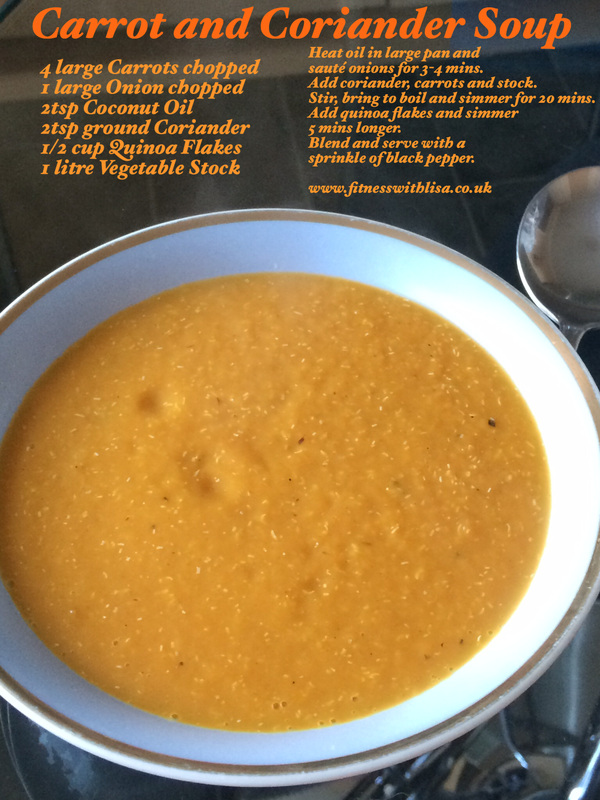
- Whole grains: Such as quinoa, brown rice, and oats are nutrient dense and offer essential fibre.
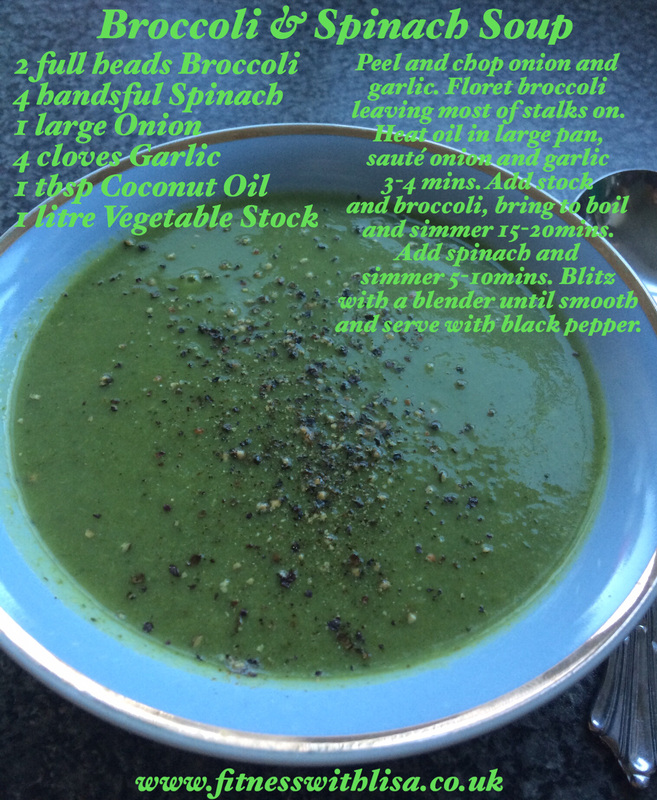
- Fruits and vegetables: Not only are they fibre rich, but they also provide essential vitamins and minerals.
- Nuts and seeds: Great for snacks, providing both protein and fibre.
Hydration: The Necessity of Fluids
Hydration is especially important during menopause due to the hormonal changes that can affect fluid balance in the body. As oestrogen levels decline, many women may experience hot flushes, night sweats, and dryness, which can be exacerbated by dehydration. Staying well hydrated helps to regulate body temperature, supports overall energy levels, and promotes optimal digestion and skin health. Additionally, adequate hydration can alleviate some menopausal discomforts such as headaches and fatigue, while helping to maintain healthy urinary function. To ensure proper hydration, women should aim to drink plenty of water, 2 litres plus, throughout the day and incorporate hydrating foods such as fruits and vegetables into their diet.
Embracing Weights: Strength Training
Incorporating weight training into your fitness routine can significantly benefit menopausal women. Strength training helps enhance muscle strength, boost metabolism and improve bone density.
Tips for Weight Training:
- Start Slow: If you're new to weights, begin with lighter weights and gradually increase as you build strength.
- Focus on Form: Prioritise proper technique to prevent injury.
- Plan Regular Sessions: Aim for two to three sessions per week targeting all major muscle groups.
Finding Balance Through Yoga and Pilates
Yoga and Pilates are excellent forms of exercise that emphasise flexibility, balance and mindfulness. Both can be particularly beneficial during menopause.
Benefits of Yoga:
- Stress Reduction: Promotes relaxation and reduces anxiety.
- Physical Flexibility: Enhances body awareness and reduces stiffness.
- Hormonal Balance: May help alleviate symptoms by calming the nervous system and reducing cortisol .
Benefits of Pilates:
- Core Strength: Strengthens core muscles, which is crucial for overall stability.
- Posture Improvement: Enhances alignment and posture to prevent back pain.
- Mind-Body Connection: Focuses on breath and movement, fostering mindfulness.
The Role of Meditation
Incorporating meditation into your daily routine can be an effective way to manage stress, which can be heightened during menopause. Regular meditation can:
- Promote Emotional Wellbeing: Reduces anxiety and enhances mood.
- Increase Mindfulness: Helps you reconnect with your body and its needs.
- Improve Sleep Quality: Calms the mind, making it easier to sleep.
Getting Out in Nature
Spending time in nature has profound benefits for both physical and mental health. Nature walks, gardening or outdoor yoga/Pilates can help improve mood, lower stress levels and increase overall wellbeing.
Benefits of Nature:
- Vitamin D: Sunlight exposure helps to maintain healthy vitamin D levels, vital for bone health.
- Connection to Nature: Reduces feelings of isolation and enhances emotional health.
- Physical Activity: Engaging in outdoor activities encourages movement, benefiting cardiovascular health.
Conclusion
Navigating all stages of menopause is a unique journey that can be made smoother with an holistic approach to health and wellness. By focusing on protein and fibre rich nutrition, incorporating strength training and mindful styles of exercise like yoga and Pilates, practicing meditation and embracing the great outdoors, women can significantly improve their quality of life during their menopausal years. Embrace this time of change as an opportunity for growth, empowerment and renewed health!
Check out what I offer.
Click for Yoga Spalding Pinchbeck
Click for Pilates Gosberton Pinchbeck
Click for Weighted LBT Stamford
Click for FB Groups
Click for One to One
RSS Feed